Argentina
Visited: March/April 2024
We arrived to Argentina from Foz do Iguaçu by bus. Click here to read about our short trip in Brazil.
Day 1: Bus, flight, bus, and Buenos Aires
It took a lot of our time to figure out how to get across the border to Argentina and at some point we’re considering taking a taxi and spending more money just to make it easier. It turned out pretty easy in the end with just a wee bump along the way.
We got up early and went for breakfast in our hotel. Yes, the $20 per night Foz Brasil hotel included breakfast that was of better quality than what we got in Canada for $250! When we were leaving, the guy at the reception even made sure that we had something to eat before we left.
We saw yesterday that there are buses that go across the border and they stop at the public bus terminal near us. There are two companies Rio Uruguay (green bus) and Crucero Del Norte (yellow bus). We took the yellow bus and it cost us 10 BRL/pp. This bus took some time and went more into the town to pick up people from the intercity bus terminal and came back to our original terminal again. We were a wee bit scared that we wouldn’t make it time-wise. The bus then went directly to the Brazilian border where you have to let him know to stop. Most likely you won’t be the only people getting off there but just make sure. You need to clear the Brazilian border (we didn’t get an exit stamp but they did run our passports through the system) and then wait for another yellow bus to take you to the Argentinian border (make sure to get a ticket from the driver of the first bus so you can take the other one for free). Everyone will then get off at the Argentinian side and the bus will be waiting on the other side of the immigration office. Getting to the border took over an hour but the immigration and waiting for another bus was pretty smooth and I think we were all done in 2 hours total.
Now is the confusing part. All yellow buses mention on them that they go to the Puerto Iguazu airport, but they don’t. Two buses were waiting on the other side of the Argentinian border and neither of them went there. We are still not sure if we waited if there would be a bus to the airport (it possibly looked like the green buses (Rio Uruguay) went to the airport but not sure there either, as there wasn’t anyone around to ask). As we understood it, the bus we originally boarded went to the terminal in Puerto Iguazu, while the second bus that took us across the border went to the falls on the Argentinian side. The driver made us pay another 10 BRL each to get to the falls (it’s possible that we would have to pay on the other bus as well since we read online that they always charge you twice).
We didn’t actually go to the falls but the airport is on the way to them. We asked the driver to drop us off before he turned to the falls and we walked the rest. It was 6 km on a road that wasn’t that busy so it was doable. We reached the airport in an hour (heck of a job!), checked in our rucksacks, and all sweaty went to the lounge to rest. It was a pretty nice lounge with champagne and food, I think we deserved it.
When we got to the Ezeiza airport in Buenos Aires, we first bought the SUBE card that is used in the town on all the public transportation and were a wee bit confused as to why is $6 the highest amount charged on the card. When we got on our bus 8A that goes from the airport all the way to downtown, we understood. We didn’t even go all the way to the end and our bus journey took almost 2 hours and all we paid was not even $0.5 each. After we checked in into our apartment, we headed to the nearby store and bought a whole grilled chicken and wine. We spend the rest of the evening chilling on our balcony.
Day 2: Centre Buenos Aires
After an easy morning with coffee and breakfast on the balcony, we used the metro line to get to the center of Buenos Aires. Again, we used the SUBE card for transportation and were surprised that the metro was even cheaper than the bus, 130 ARS ($0.2) per fare.
We got off at Plaza del Congreso and walked the rest of the way to the center. We visited the Metropolitan Cathedral which looks like a government building and then saw the May Revolution museum next to it that looks like a church. We then walked along the water and headed to Calle Florida to change money. Exactly as it says online, on every corner is a person yelling “Cambio, cambio!” offering a blue dollar rate. Unfortunately, we were visiting after new government actions to curb the inflation so the black market rate was only about 10% better than the bank rate (980 ARS/1 USD). A few months ago the rate difference was almost 50%!.
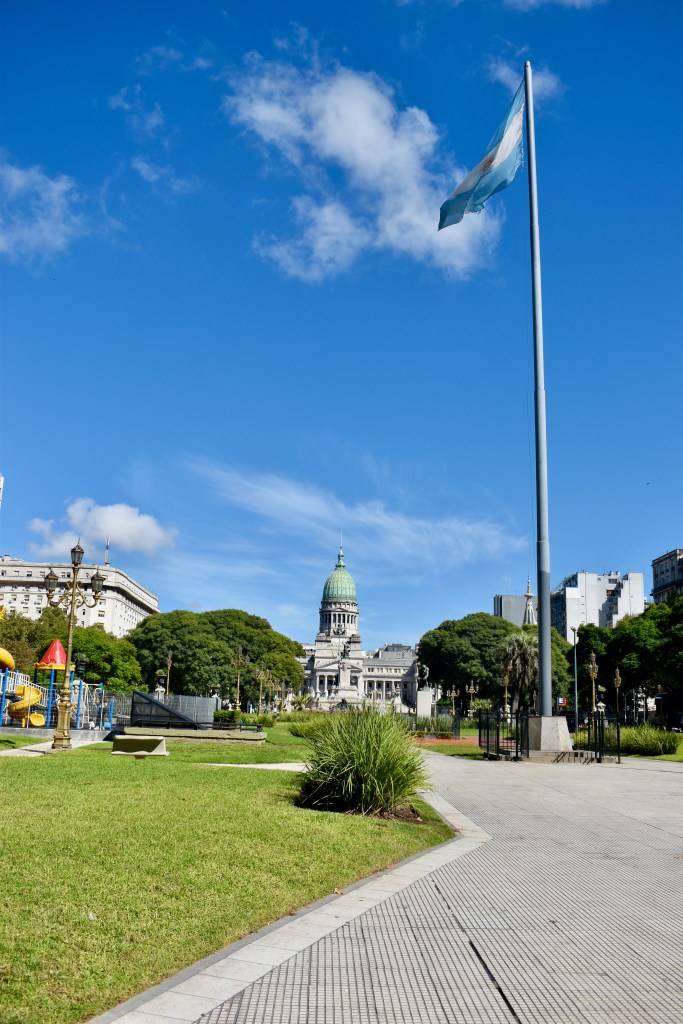
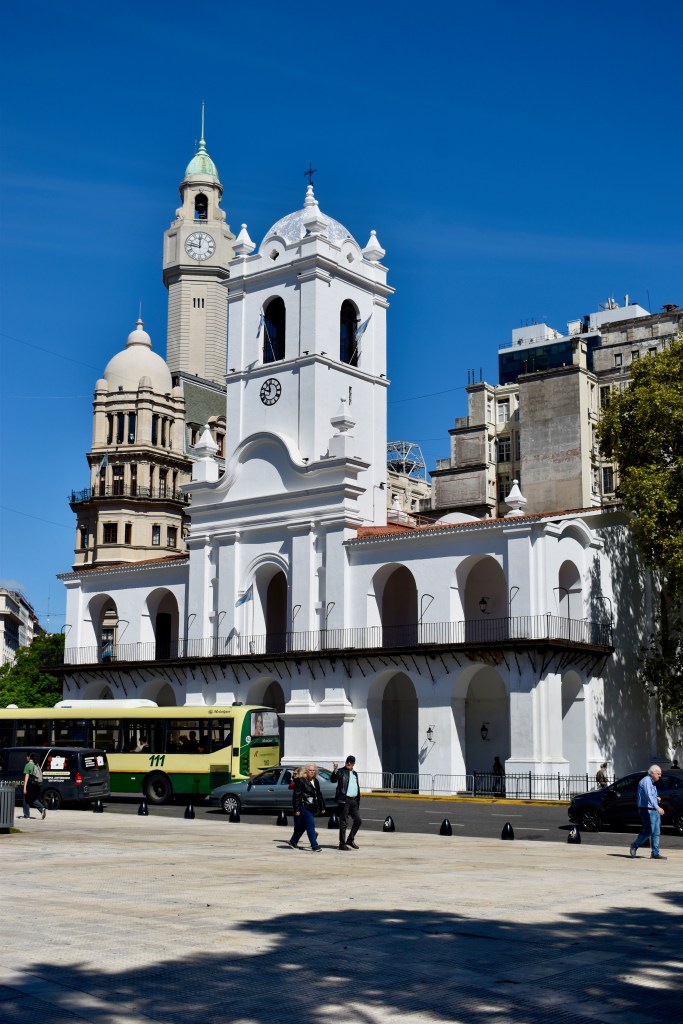

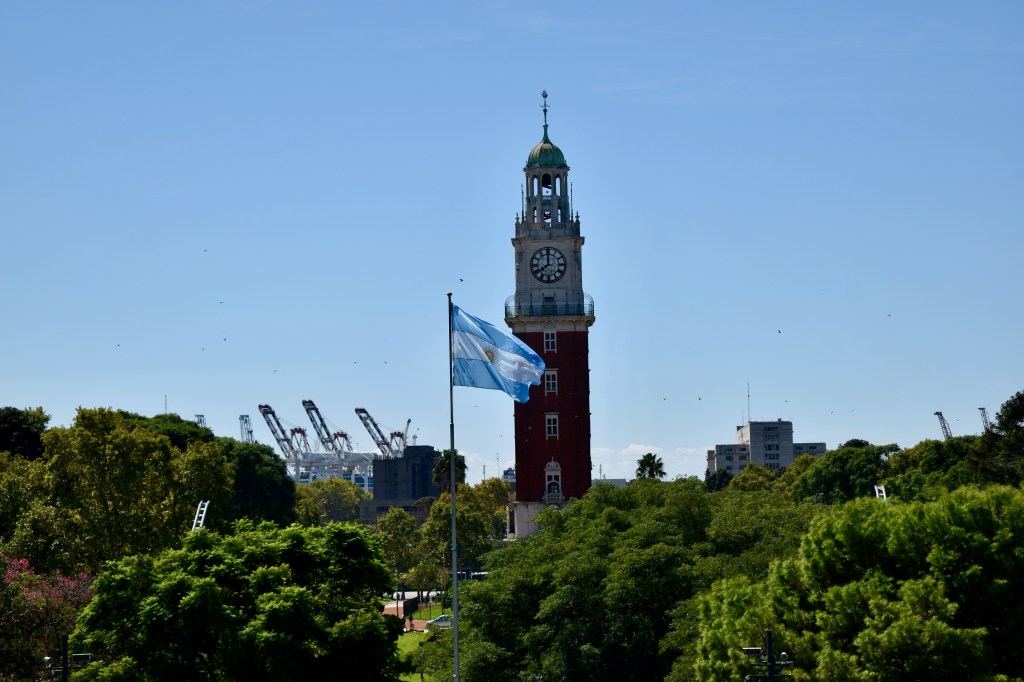
We then continued back towards our place and along the way visited the Water and Sanitation Museum and El Ateneo Grand Splendid (theatre used as a bookstore). We had dinner and 2 dollar wine in the apartment.
Day 3: Palermo
Again, we used the metro to get to the center, walked by the water further north to the Retiro train station, and took a train north to the Palermo district. We then basically tracked our way back through the parks in Palermo seeing some government buildings, the Hipodromo, and the University. We also stopped at the River Plate stadium.
That’s where we discovered the biggest downside of Buenos Aires…the impossible amount of mosquitoes! By the end of the day, I had about 40 bites on me. We visited about 5 shops before we found one that still had mosquito repellent but it didn’t work very well.
We reached the part of town called Recoleta and the famous cemetery at 5 pm and found out that it just closed. We then stopped for a beer and closer to our apartment for dinner of Ravioli and Milanesa (Argentinian schnitzel).
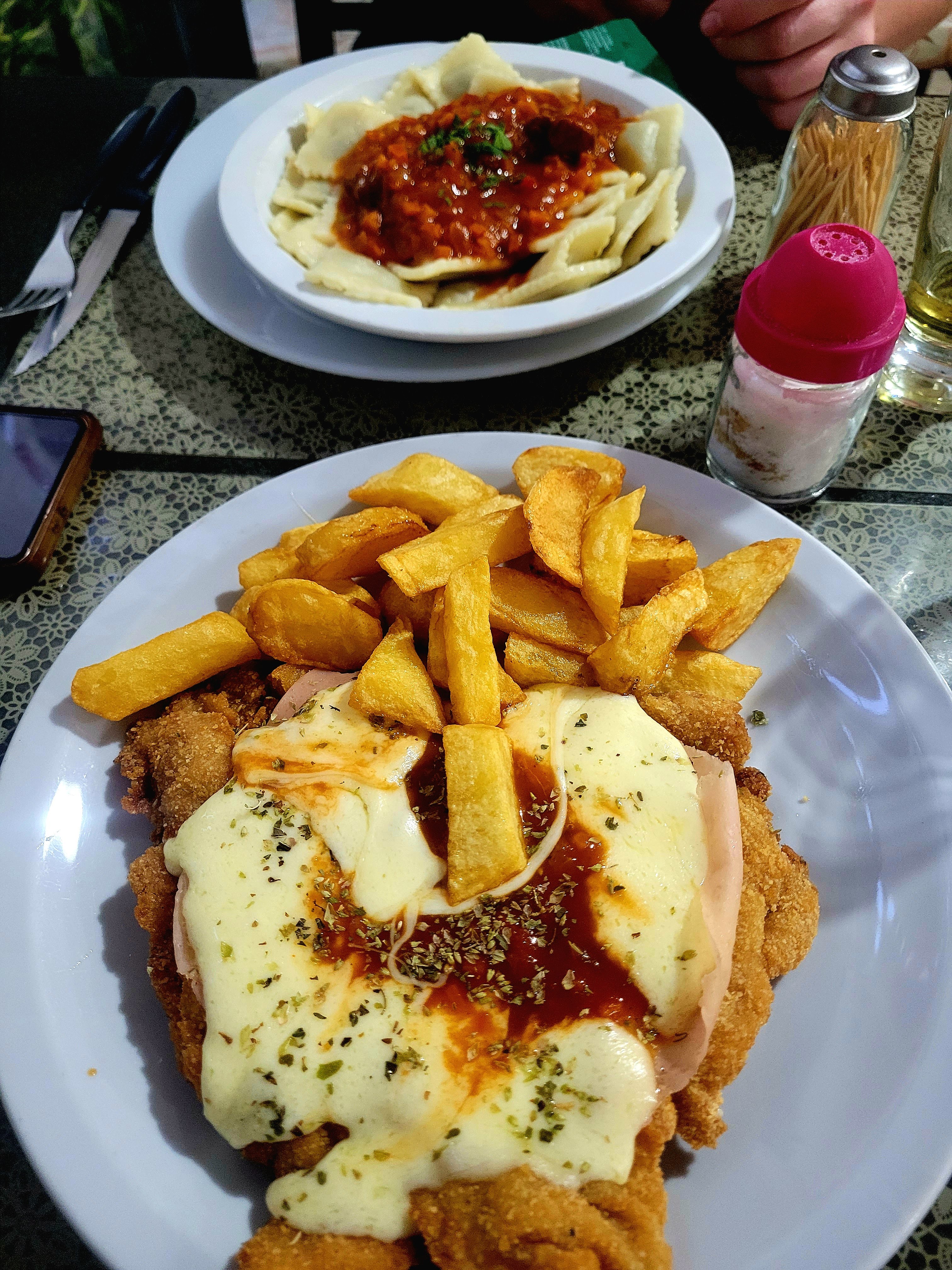
Day 4: Recoleta Cemetery and Boca
Since we couldn’t visit the Recoleta cemetery yesterday, we started our day by walking back to it and spending some time walking through the cemetery, admiring the lavish tombs, and trying to figure out who these people were. The entrance is 5,000 ARS/pp and they only take cards.
We needed more cash and headed again to Calle Florida to change more money. The rate already gone down a little in two days. After, we hopped on a bus south to the district of Boca and got off at Caminito, the famous Street with colorful houses. This place was pretty busy and really nice. We got a great Choripan there for 3,000 ARS and went to see the Boca Juniors stadium.

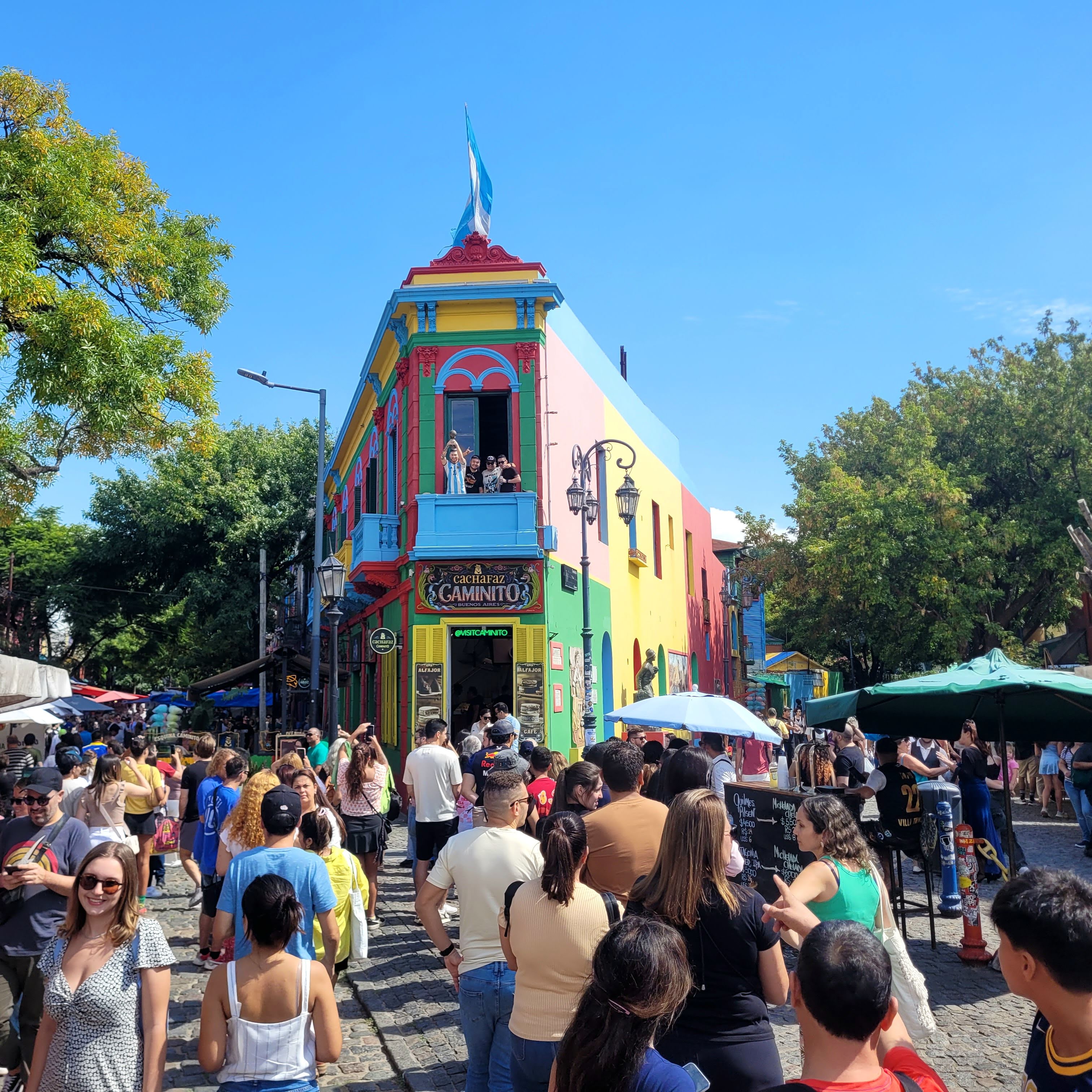
We wanted to have a little bit more relaxing day so we then got a bus all the way to our apartment and spent the rest of the day at the pool, cooking a nice dinner (we bought some Asado (roasted meat) in a shop), and resting in the apartment.
Day 5: Laundry day and the Huracan match
The plan was to get up early and head to Tigre – a wee town north of Buenos Aires with islands and boat trips. However, we really needed to get our laundry done and it was impossible to get it done the day before because someone from the building was using the machine for hours. We had to stay in the apartment and at the end got the laundry done close to noon. We spend the time at the pool and getting ready to leave the next day. Afternoon, we went for a walk around our place, saw two football stadiums, and a park.
For the evening, Clare was able to get tickets for us for the Huracan vs. River Plate game. A highlight of our visit to Buenos Aires. We took a bus to the stadium and right away saw a big crowd of people in the streets and heard a lot of music. Huracan fans were getting ready for the game and they were singing and chanting in the streets on the way to the stadium. We stopped to watch and bought some beer and the Argentinian famous Fernet with coke. I also bought a Hurcan top since Clare already had her Argentinian top from the previous day.
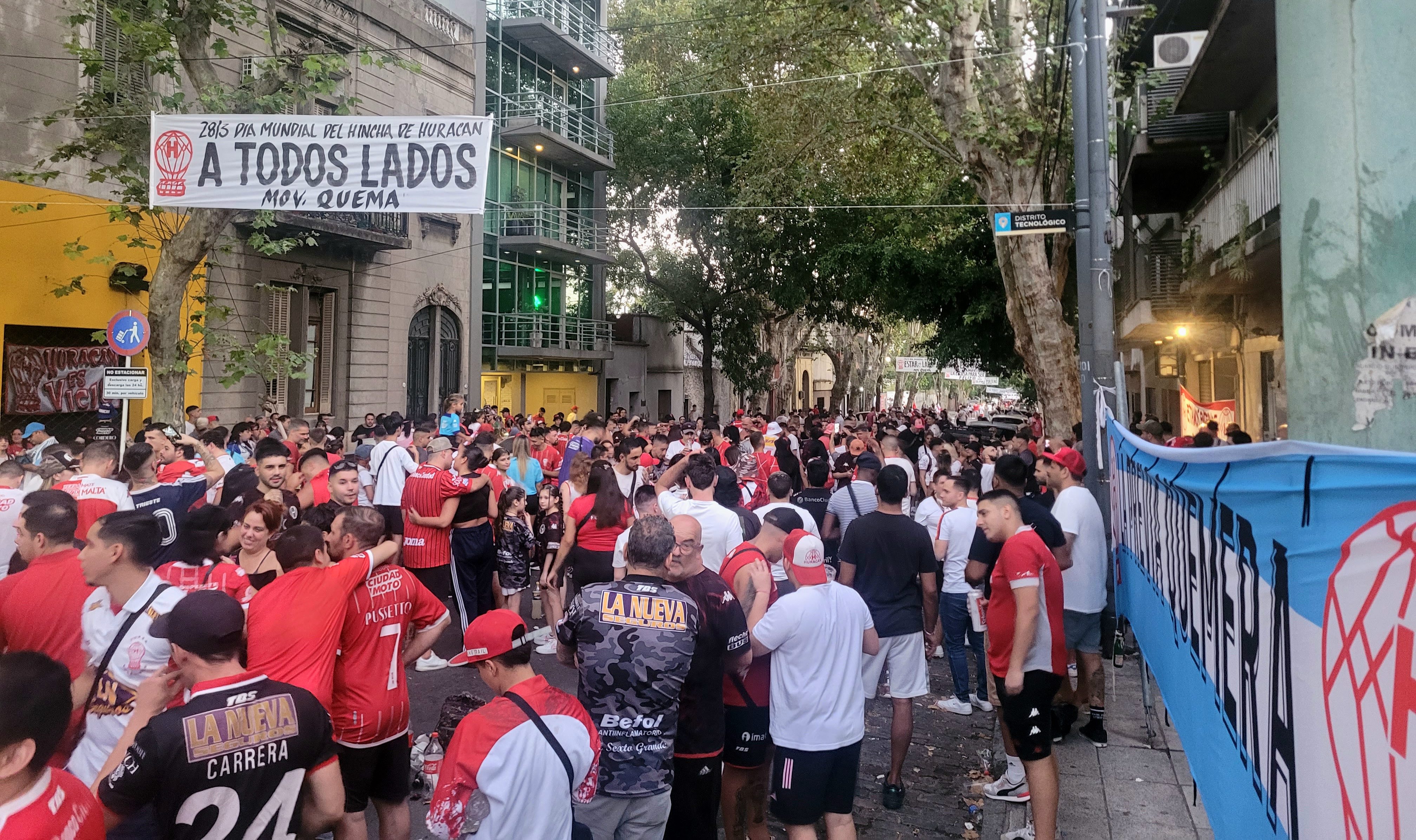
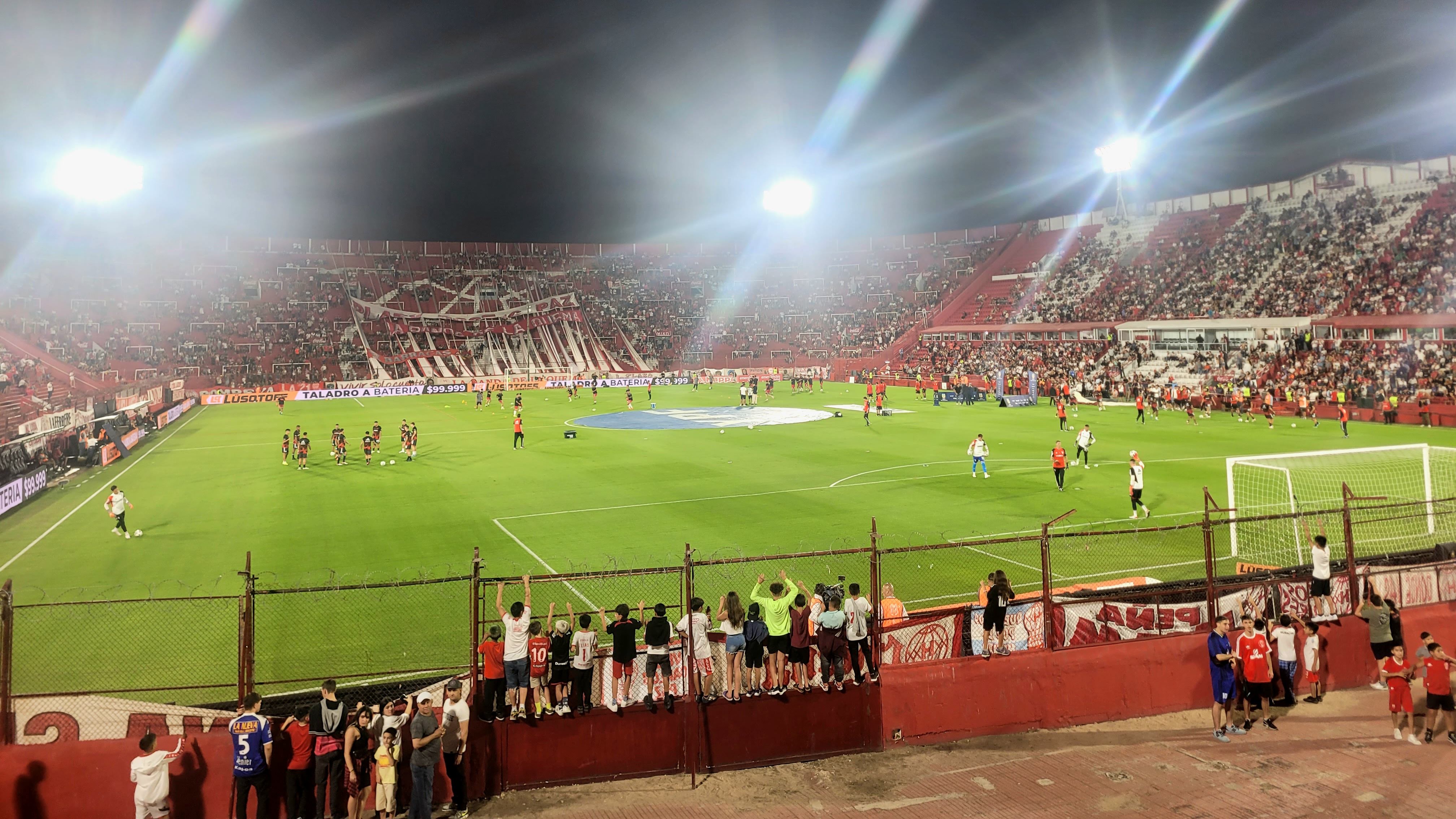
The game itself was class, the fans were chanting and jumping nonstop through the game and Huracan ended up winning 1:0. After the game we had to wait for an hour for a bus which wasn’t the most convenient since we had to get up before 4 am to get to the airport.
Day 6: Ushuaia and the Glacier Martial
In the morning, we quickly left the apartment and got on a bus to the airport. Buses run 24/7 in the city which saved us some money on taxis. Unfortunately, there was no lounge at the domestic terminal so we had to do with water, coffee, and a donut for breakfast.
When we landed, we first headed to the town and walked a little bit around since we had to wait until 3 pm for checking. We stopped for Choripan and coffee for lunch. There was a public bus in the town but the accommodation we found wasn’t on its route so we ended up getting a taxi. Fortunately, Uber was very affordable in Ushuaia and for example, the journey from the airport to the town center was about $4.
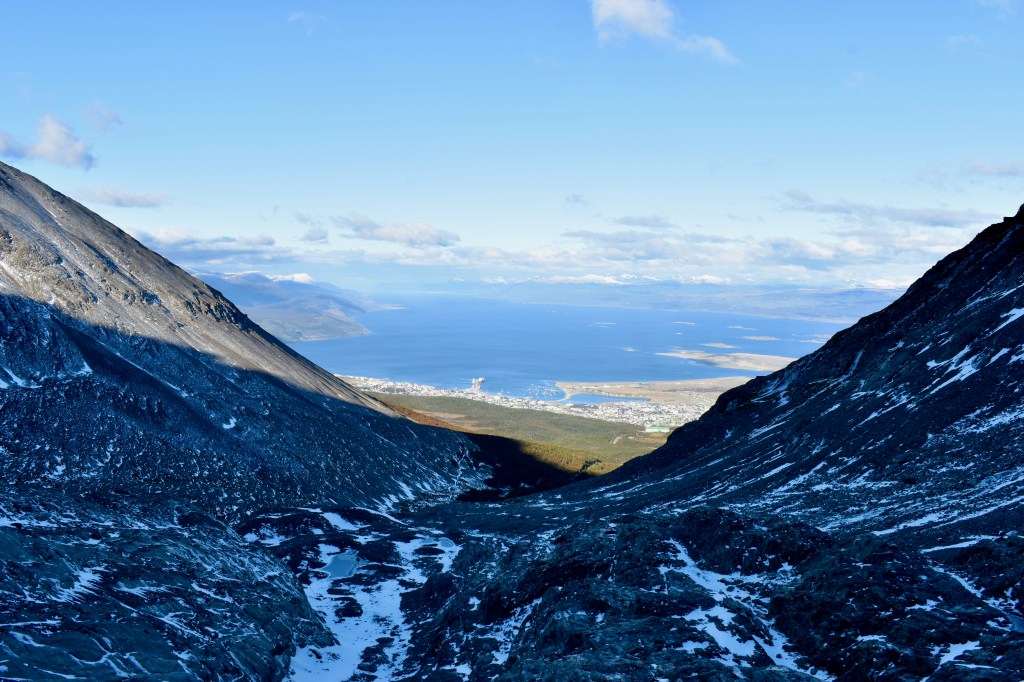
After check-in, we got ready to go hiking and got a taxi to the Glacier Martial trailhead. Here we experienced the beauty of Ushuaia. We got the taxi from sea level and started hiking in a forest at about 350 m. At around 550 m the forest suddenly stopped and the landscape changed right away into mountain terrain covered in snow and ice. At this point, we had a full view of the glacier above us. We hiked further to about 850 m and by then we were walking in snow and jumping over frozen streams coming from the glacier above us. This hike offered great views of the town below.


We then headed down and walked from the trailhead back to the town following a bike trail through the forest rather than walking on the road. We stopped at a grocery store, bought dinner, and walked to our place.
Day 7: Tierra del Fuego and the End of the World
The plan was to start really early to do as much as we could but unfortunately, it was raining and we decided to wait at least a wee bit so we weren’t soaked through right away. It also reminded us that we need to buy waterproof jackets for our next trip!
We ordered an Uber just before 10 am when the rain was slowing down and headed to the entrance of the park. The driver must have been new to the area because he drove super slowly and had no clue where he was going. We bought tickets to the park (12,000 ARS each), got our ponchos on, and walked towards our first stop at the park, the Post Office. It was a 3 km walk on the road and along the way we passed the train that you can use to enter the park. Murphy’s law worked perfectly so the rain stopped right after we put the ponchos on.
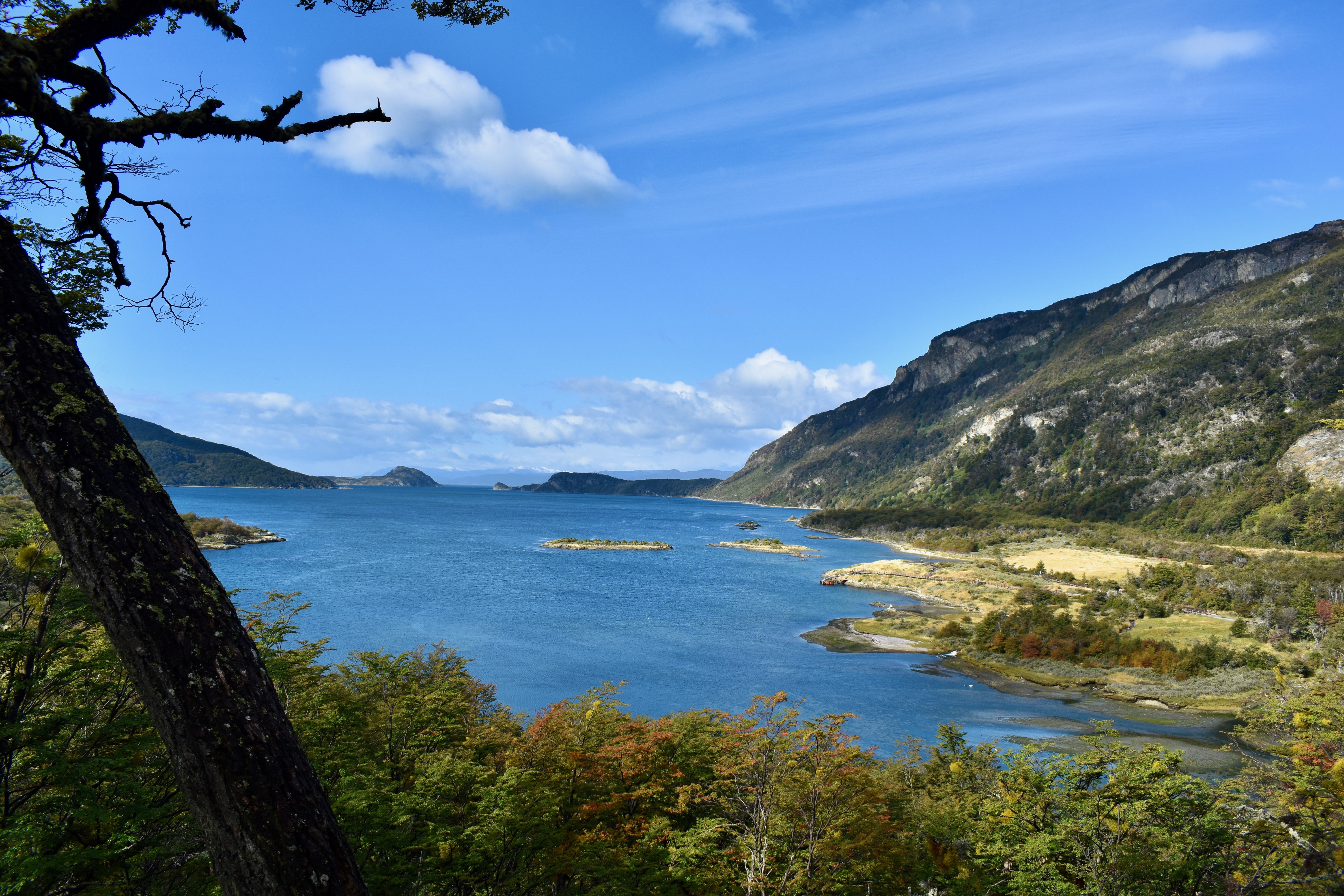
From the Post Office, we followed a nicely led trail along the coast called Senda Costera. This is probably the most famous trail in the park but it wasn’t too busy because of the mud and the time of the season. We then continued through the park following the road and taking short side trails until we reached the end of the road Ruta 3 and with it the southernmost point. There we took a photo of the sign announcing the end of the road and had lunch while we were waiting for a shuttle bus back.

Unfortunately, the entrance fee to the park really just includes the entrance and you have to pay for the shuttle bus separately. It ended up costing 10,000 ARS ($10.5) each to get back to Ushuaia.
We wanted to go and hike to the Esmeralda Lake North from the town, but because we started late we didn’t get to the town until slightly after 4 pm and decided that it wasn’t worth it because we would have a hard time to get a taxi back and we didn’t want to risk getting stuck 20 km away from the town. We walked around the town and explored monuments dedicated to the Malvinas (Falkland) war. We then treated ourselves to dinner and draft beer in a local restaurant and got a taxi back to our place.
Day 8: El Calafate
We woke up early in the morning to pack, have breakfast and coffee, and head to the airport for our flight to El Calafate. We reached El Calafate around noon and used a bus company called Ves ($7 each) to take us to the town since there wasn’t any public transportation from the airport and Uber didn’t work.
Like many others, we used El Calafate as a starting location for Perito Moreno Glacier and to get to El Chalten, the Argentinian Patagonia. Since the town is very touristy, the prices of hotels and everything are higher, so we decided to use our camping gear and stayed 2 nights in Campground Vial. The campground was surprisingly busy with people coming with campers, on motorbikes, or on bicycles. It cost us $14 for two people per night and it had hot showers, all cookware, and gas included.
We spent the rest of the afternoon walking around the town’s main street and went to see the coastal pathway. We were looking for prices and how to get to the glacier and El Chalten. We were highly considering renting a car for all the days in the area but ended up renting it only for the next day to go to the glacier and back.
On the way back to the camp, we stopped at a grocery store and bought a 0.5 kg slab of pork and pasta for dinner. We also opted for boxed wine since the prices were higher in El Calafate and since then, Clare started counting all our savings in boxes of wine.
Day 9: Perito Moreno Glaciar
The reason why we rented a car for one day for about $65 and why it was worth it was that the bus companies traveling between the glacier and the town are charging slightly over $40 per person. This way we could arrive and leave when we wanted, see more stuff around El Calafate that we would otherwise need a taxi for, and in the end, we saved 13000 ARS (or as Clare says, 6.5 boxes of wine).
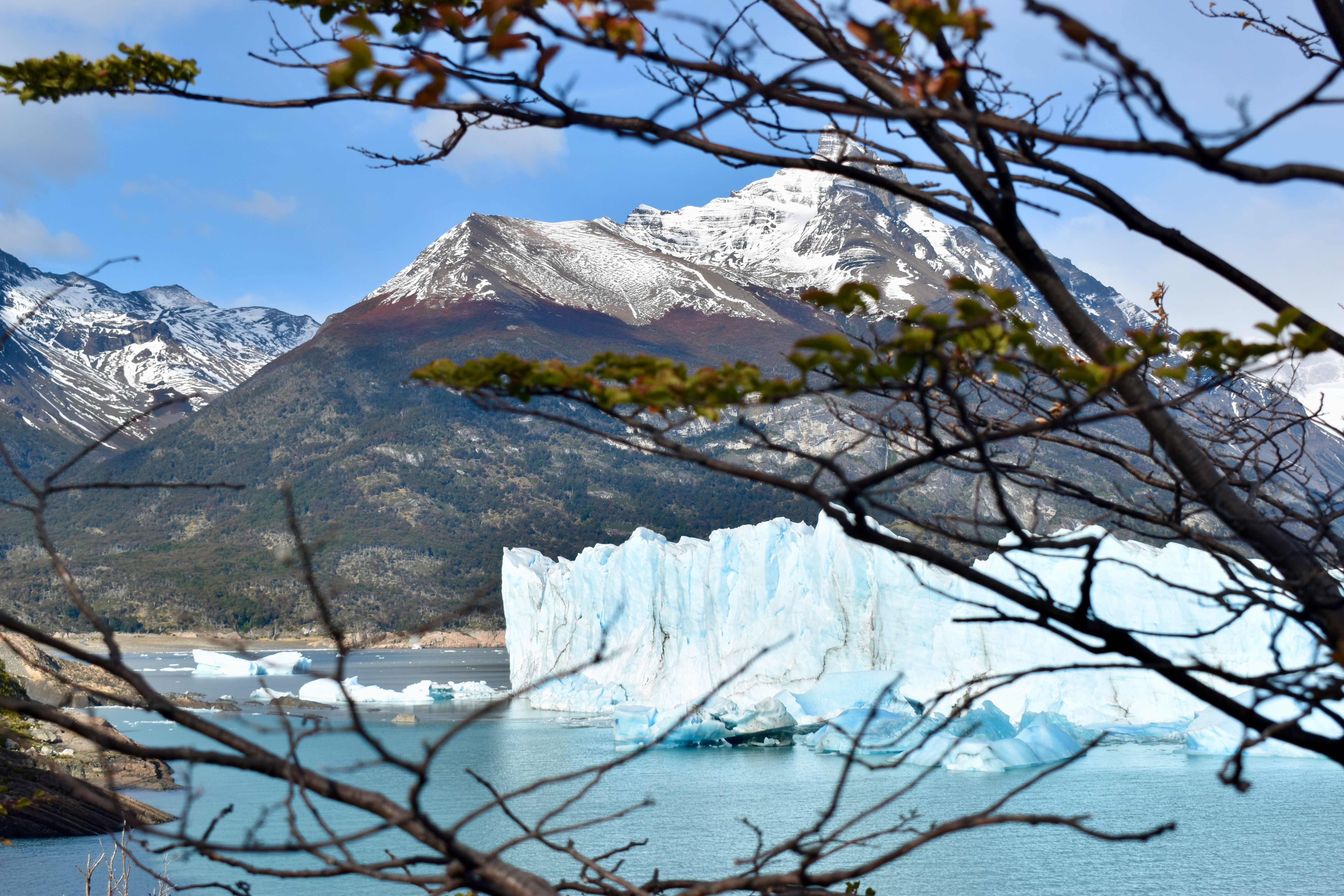
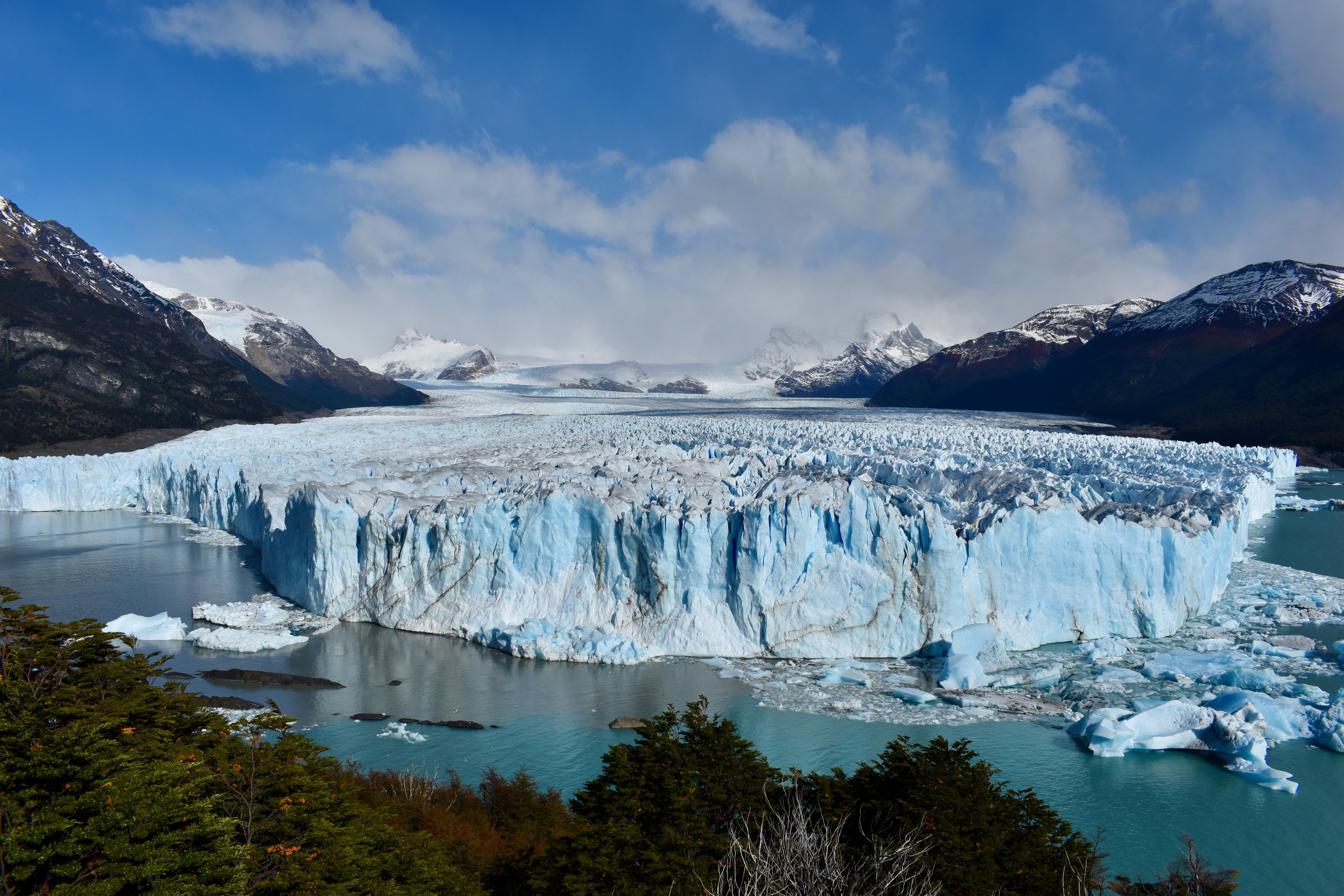
We arrived at the park gate around 10 am and paid our entry fee of 12,000 ARS each. At the entrance, we picked up two girls from the UK who were hitchhiking and took them to the glacier parking lot that was still about 30 km away from the gate. We didn’t use the shuttle bus to get to the glacier, instead, we walked the blue-marked trail along the lake toward the glacier. Right from the beginning you can see the glacier in the distance and once in a while hear a slab of ice falling into the lake. We spend about 3 hours walking on different paths and seeing the glacier from various angles, admiring how it is even possible for something like this to just sit here so close for us to see and not melt away. We tried several times to get a photo or a video of a falling piece of ice but it was just too fast!
After a small lunch, while sitting on a rock overlooking the glacier, we drove back to El Calafate and used a dirty path a few kilometers behind the town to visit some old cave paintings in a place called Punta Walichu. But when we got there the entrance price was almost $20 per person and just from the distance it looked like there wasn’t really anything there (based on Google reviews there really isn’t much) so we decided to leave and went to explore a nearby canyon at the south side of the town.
Towards the end of the afternoon, we stopped to do some shopping and bought supplies for our trip to El Chalten (El Chalten is in the mountains and even more expensive than El Calafate), returned the car, and bought our bus ticket for tomorrow ($26 each). For dinner, we had some discounted chicken schnitzels with pasta (1 kg of ravioli for about $2 is hard to pass on).
Day 10: The hiking town of El Chalten and Chorrillo del Salto
In the morning, we packed our stuff and the tent and headed for the 10:30 bus to El Chalten. The bus drive took about 3 hours and when we arrived the sky was dark and the wind was pretty strong but it wasn’t raining. We knew that the forecast had some rain on during the day so we quickly went to find a campground so we don’t have to pitch our tent during the storm. We had several different locations in mind but right the first one, Camping Cara Sur, worked perfectly for us. We were the only people there so we got a perfect spot to be hidden from the strong wind, the tent was pitched on a platform so we didn’t have to worry about getting the bottom went during the rain, and the fella charged us $8 a night, which based on what we read was the lowest we could hope for.
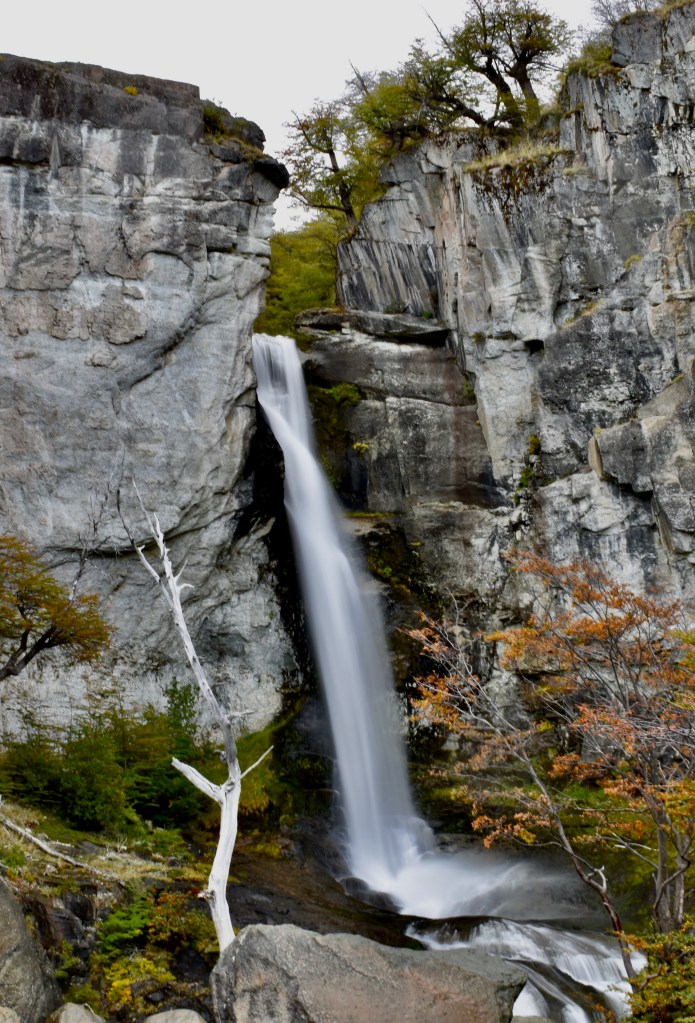
After settling the tent, we put on our ponchos because the rain started picking up and went to see the town and mainly walked to the Chorrillo del Salto (waterfall) near the town. Since our camp was on the other side of the town it ended up being about a 10 km walk there and back with an extra workout on the way there since our raincoats worked like a sail. The waterfall was surprisingly tall and we ended up having a small snack under the trees nearby.
When we got back to the camp, we made a big dinner to prepare for the next day and got ready for the cold night since the temperature was expected to drop to near 0 degrees in the morning.
Day 11: Lago de los Tres (Mt. Fitz Roy) and Laguna Torres
There are two main hiking trails around El Chalten, the most famous one to the Lago de los Tres, better known as the Mt. Fitz Roy hike, and the Laguna Torres hike. Usually, people do it as 2 separate hikes in two days but there is a nice way how to do them both as a loop and we were up for the challenge.
We were up at 6 am, got a coffee and some breakfast, and were on our way. It took 2 km to reach the trailhead to Lago de los Tres. There was already a sign that the last part of the trail is closed but we spoke to a fella yesterday about it and he said a lot of people went anyway so we didn’t worry about it. After about 3 km and an initial incline, the sun rose and we had first views of the Mt. Fitz Roy.
We continued 6 more kilometers that were basically flat and reached the campground under the mountain and in a few more meters a bridge across the river. This bridge was blocked by a wire and a sign not to cross because the trail was closed for the season. There was no one around so we quickly scaled the small fence and continued on our path. This is the part where the incline started and didn’t stop until we reached the lake. The sign said it should be 400 m elevation in 1 km and it should take us about an hour. The rocky way up was pretty slippery (still frozen) at some points but nothing too bad. On the hill, we also met a lot of people who also jumped the sign. We reached the top in about 35 minutes and the lake with the spiky Mt. Fitz Roy was right in front of us. This was another place where we contemplated how blessed we were to be able to travel and see places like this and also how lucky we were since the weather couldn’t be better.

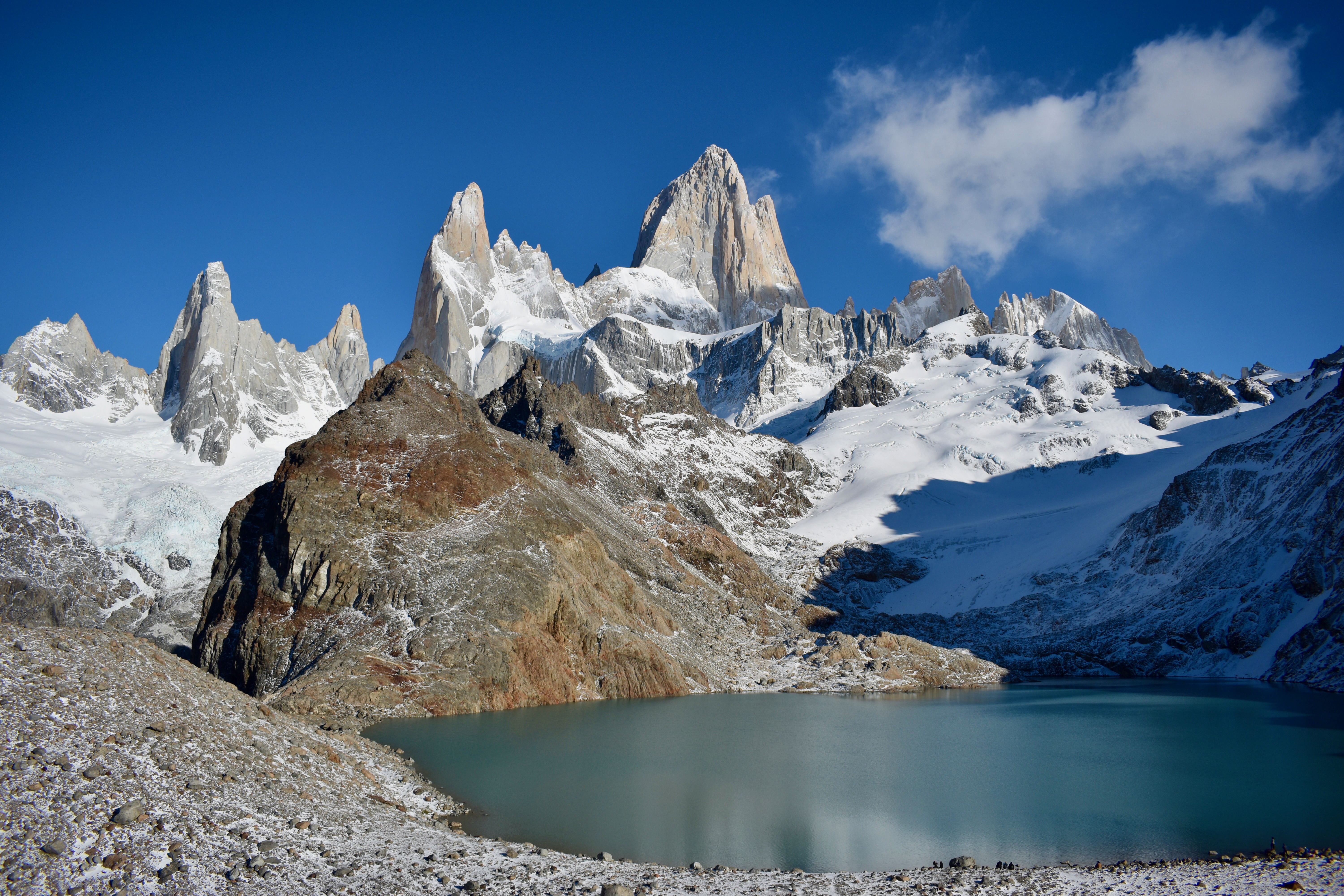
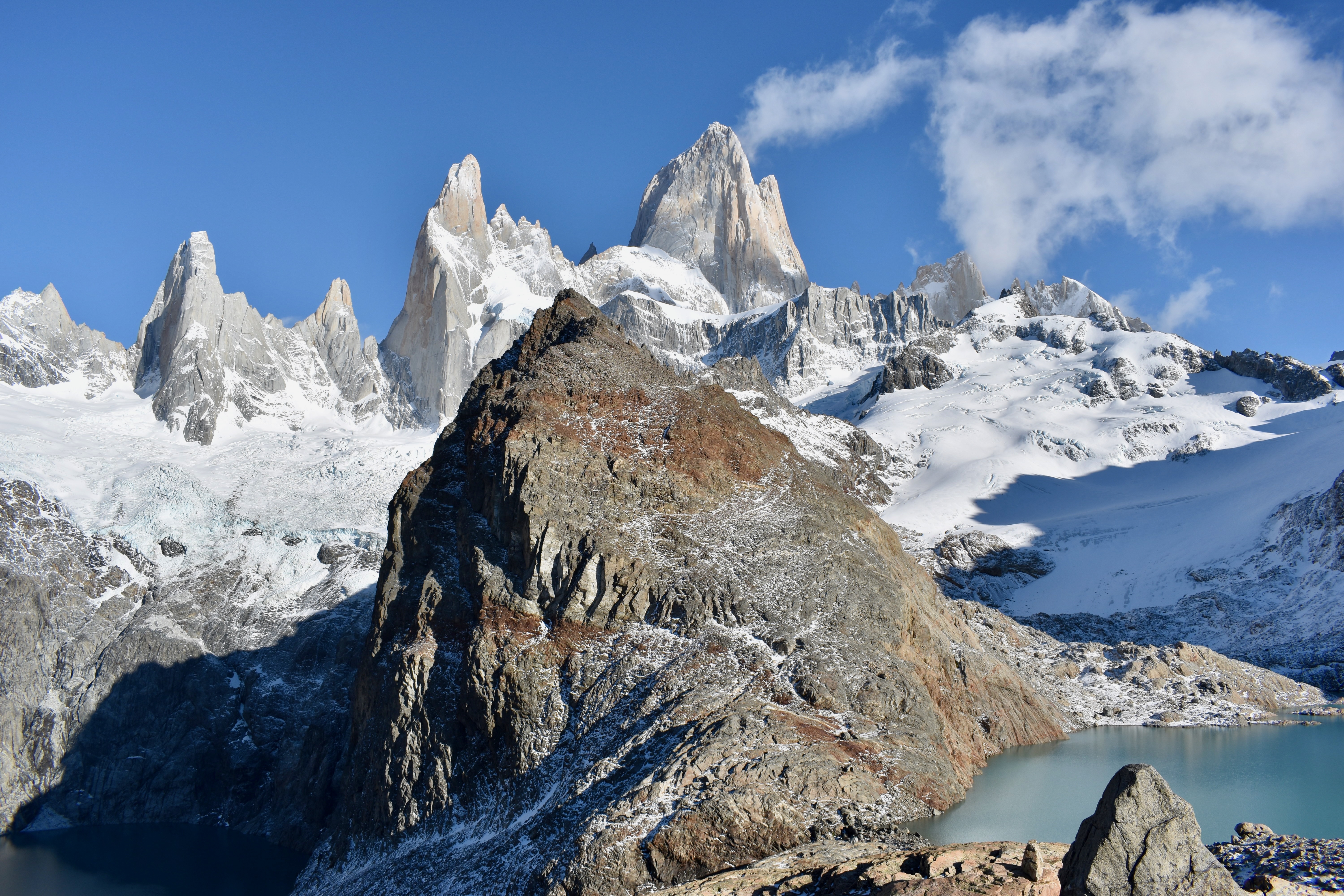

We moved to another small lookout point on the left side to be able to also see Laguna Sucia. It was pretty windy at the top so we kept moving and after about half an hour we started our descent. When we reached the bottom and crossed the bridge, we found a spot for lunch and a small break.
Instead of walking the same way back, we turned towards the Laguna Madre and Laguna Hija and followed quite an easy trail along these lakes. After about 6 km, we reached an opening and were able to see the Cerro Torre and Glacier Torre in the distance. It took another 0.5 km to an intersection and 3 km on a flat trail to reach the Laguna Torre. Along the way, we had great views of the glacier and took some photos since once we reached the lake the glacier was mostly hidden. There were very strong winds at the lake which must be pretty usual at this lake since there were many already-made wind shelters from the rocks and trees around. By this time, the top of Cerro Torre was already hidden in clouds. We used one of the shelters for protection and had our second snack time (Matej’s note: two snack times are not enough!). We stayed for maybe 15 minutes and headed back. At the intersection, we could now continue straight and follow the signs for El Chalten. It was 7 km and mostly flat but for some reason it felt never-ending.
Also, at this part of the trail, we encountered the most people on their way back to the town and had some issues with passing by people. Argentinians won’t easily let you overtake them even though they know you’re behind them and you’re faster. We had a similar experience on the way up and down from Fitz Roy where you try your best to stay out of people’s way and they often don’t say thank you, or hi, or acknowledge your existence.

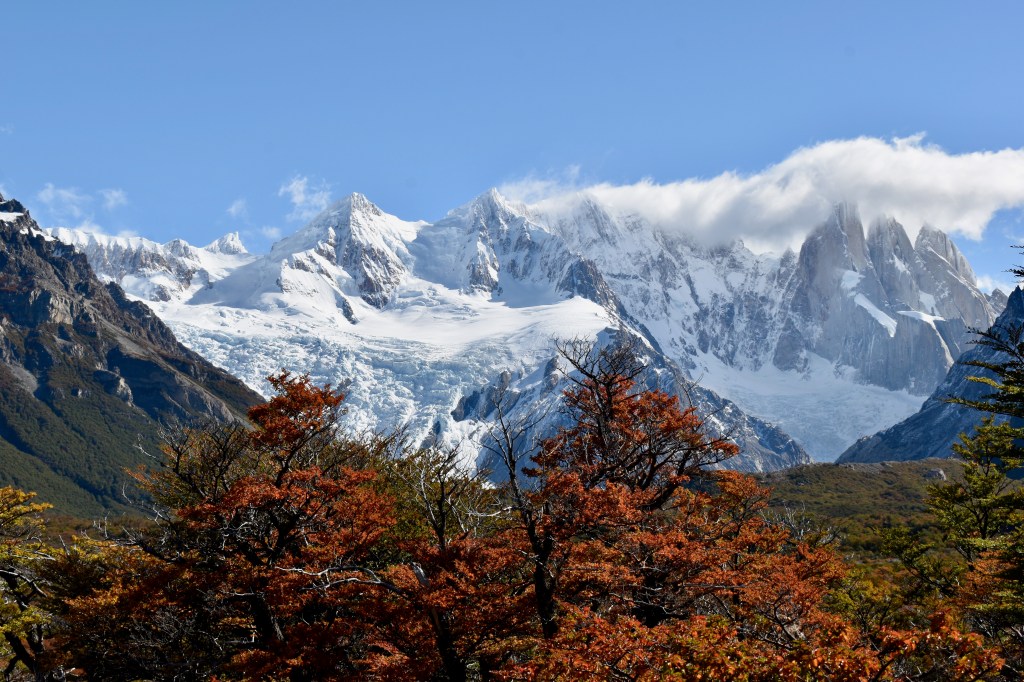
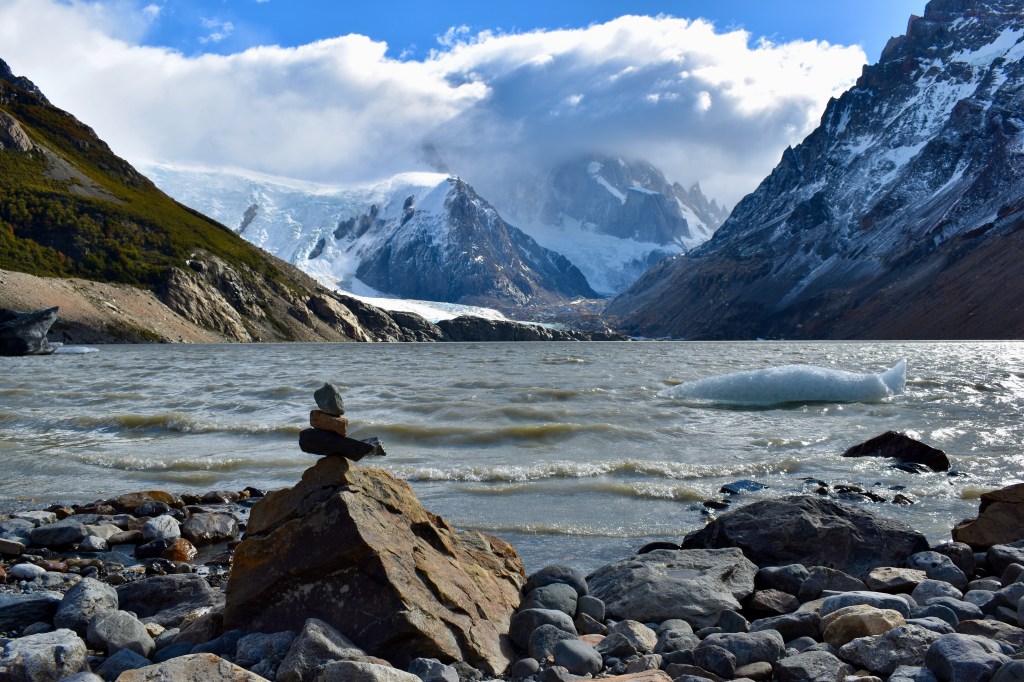
When we reached the town, our tracking app was showing 34 km and we both had over 50,000 steps. We felt like a small celebration was needed and headed straight for a bar that we had seen yesterday that was offering 2 pints for 5,000 ARS ($5). There we even discovered a better deal where we got 2 pints and a grilled cheese for 8,000 and it quickly became our favourite place (B Fitz Resto). They also changed USD for an even better rate than in Buenos Aires (1000 ARS for 1 USD). We had two beers and headed to our camp for dinner. Here we met another couple from New Zealand staying in the camp with their rented camper van and we ended up drinking red wine and talking until midnight.
All and all, this was an amazing day with beautiful weather, a challenging hike, and absolutely stunning views! (and cheap beer)
Day 12: Loma de Pliegue Tumbado
Since we did both hikes at once yesterday and stayed up late, we didn’t really plan much for this day but Clare found d a hike to a peak called Loma de Pliegue Tumbado. The summit is at 1500 m so we didn’t expect to reach it due to snow and us being tired but it still looked like a nice hike.
After breakfast, we stopped to buy bread for our hike and a ticket for a bus back to El Calafate for the next day. We set off for our hike and right at the beginning there was a sign that the path was closed but we just continued like yesterday. The trail was very easy to follow and it was mostly a gradual incline, nothing too steep. The wind was pretty strong but a lot of the time we were surrounded by trees. Towards the end of the hike (last 1.5-2 km), the trail got exposed to the wind and especially the last 500 meters were hard against the wind. It was so strong that it was hard to stay firmly on our feet and walk straight as the wind was coming from the valley.
We finished with a view of the Laguna Torres hidden behind a small rock barrier about 200 m in elevation and 1 km from the summit. We couldn’t see where the path was for the peak since it was possibly covered under snow. On the way back, we basically ran the first 500 meters since the wind gusts were so strong in our backs. We stopped for a small lunch in the forest hidden from the wind.

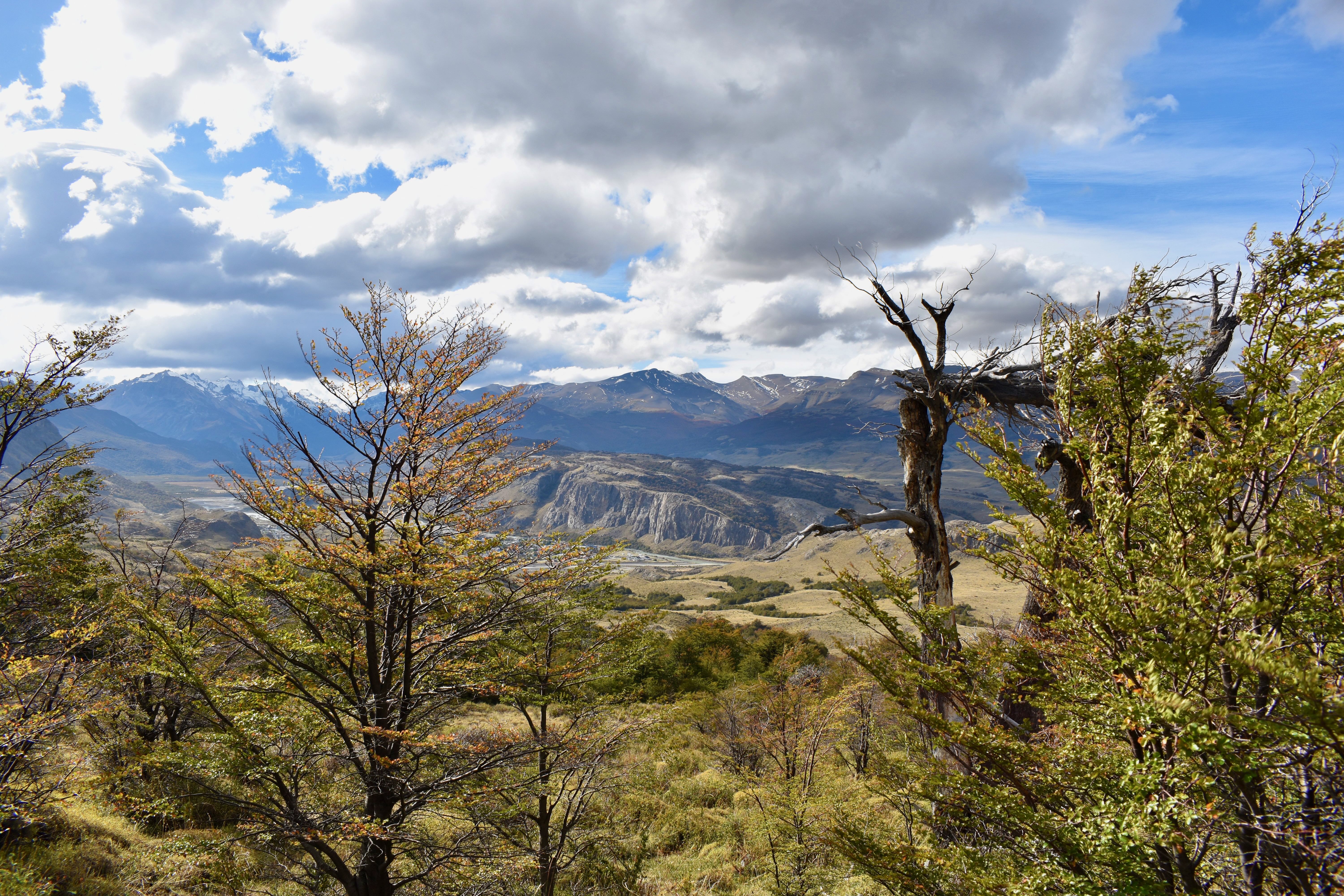
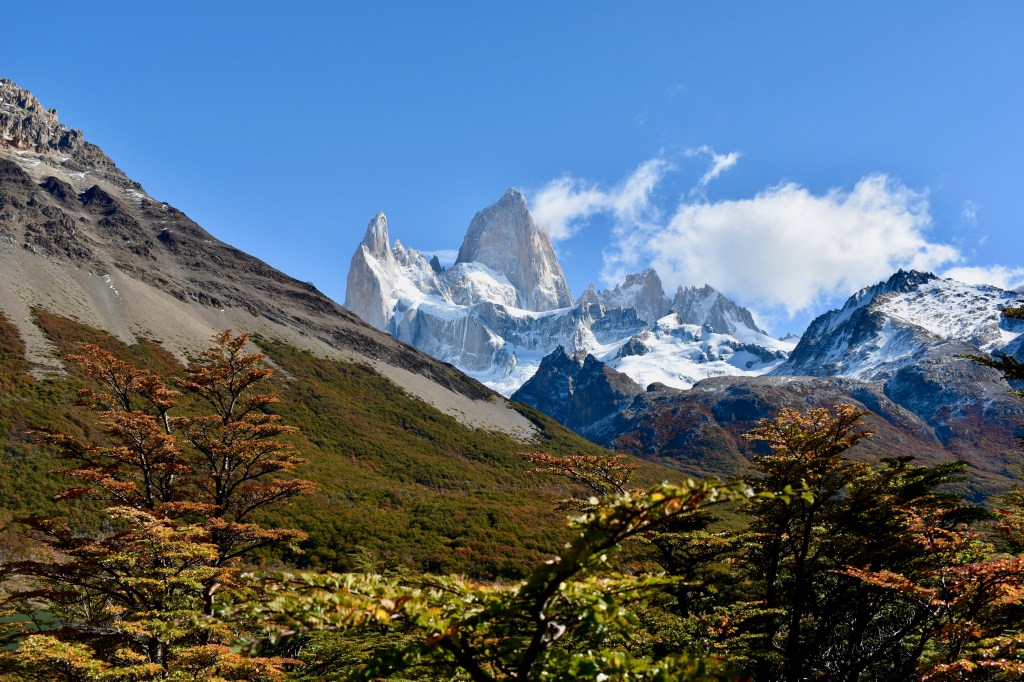
The hike was nice and the wind at the top made it pretty fun. We had a side view of Mt. Fitz Roy the whole time. In the end, the hike was 18 km long there and back with about 900 m in elevation gain.
Since we didn’t actually plan to get this far, we felt like another beer was earned, so we headed to the same place as yesterday and this time we got two grilled cheeses because they were so good. We just had a great idea to sit outside in the wind and my jacket flew when a wind gust came, hit my pint, and spilled it all over my trousers.
Since the night was supposed to be super rainy (and it was), we moved our tent under a roof by the kitchen door.
Day 13: Back to El Calafate
In the morning, we quickly packed our tent and camping stuff so we were not blocking the entrance to the kitchen and mostly just had an easy morning drinking coffee and waiting for our bus at 11:30 am back to El Calafate.
When we got back, the first thing we needed was to buy a ticket to Puerto Natales in Chile for the next day. We got 2 spots on the 8 am bus for 26,000 ARS each and headed to our old campground. After pitching the tent, we went to the town for food since it was our last night in Argentina. We got nice and relatively well-priced burgers and an expensive beer. We then went to buy supplies with all the cash we had left. We also bought a bottle of Brahma beer and met two people from the UK in the campground who were backpacking like us and chatted for a while.
Day 14: Crossing to Chile
We had an early morning wake-up at 6 am to be able to pack all our stuff and make it to the bus terminal. In the end, this was early enough since the main building (kitchen) in the campground was closed so we couldn’t make coffee in the morning. The bus to Puerto Natales was pretty empty and we even got water and a muffin each from the drivers. We bought a coffee when the bus stopped and got annoyed since it was probably the worst-tasting coffee we had, plus it cost $5. Well, at least we got rid of our last Argentinian pesos.
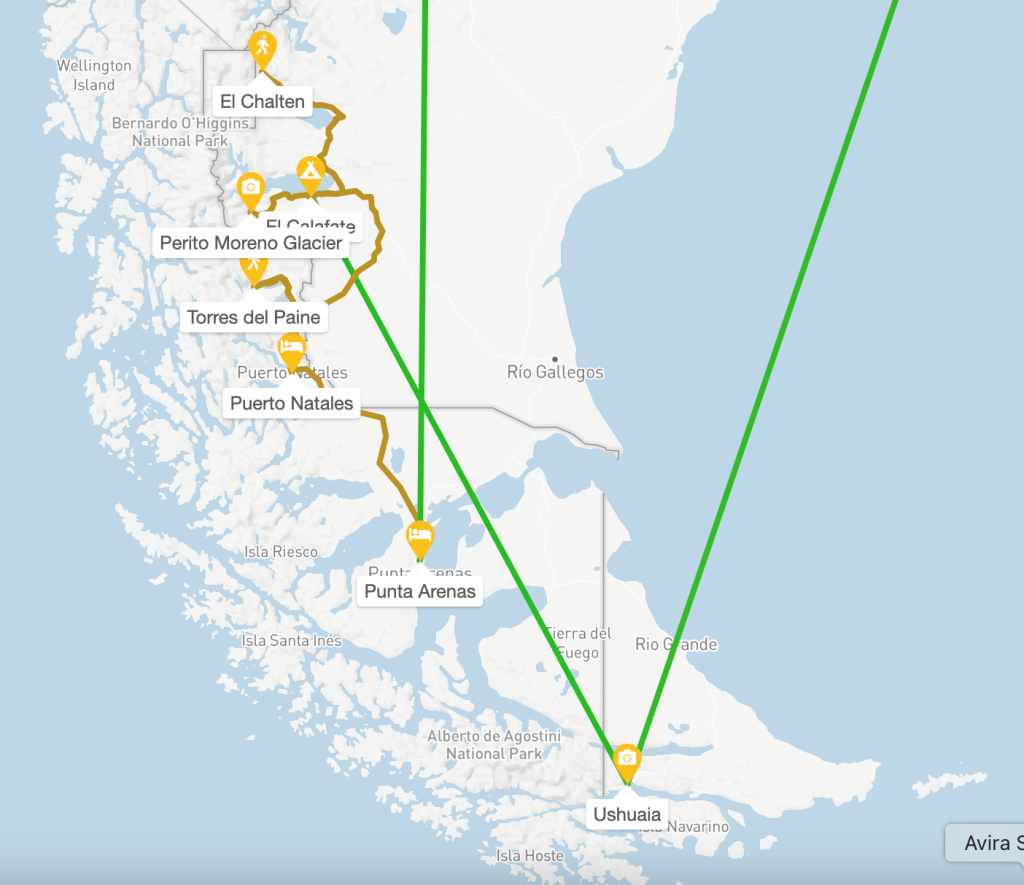
Our visit of Argentina was one of the parts of our South American backpacking adventure. You can continue reading more about Chile here.
 Wandering Wankers